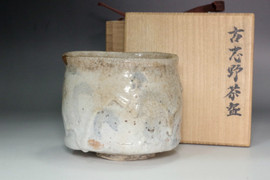
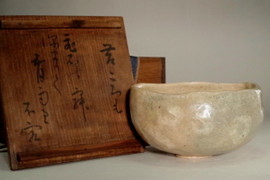
Antique Japanese Shino Tea Bowl with Sobokai Clay #5480
- SKU:
- 5480
- Condition:
- Used
- Shipping:
- Free Shipping


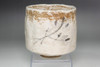


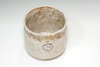


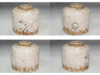

width: approx. 10cm (3.94in)
height: approx. 9.5cm (3.74in)
weight: approx. 298g (w/ box 469g)
artist: Kato Shunbu (1886 – ?) He is of the same lineage as Seto ware founder Kato Kagemasa.
This Japanese Shino tea bowl features a soft feldspar white glaze with fine crackle and natural brown fire marks appearing along the rim. A simple grass motif decorates the body, harmonizing with the expressive glaze surface. The bowl is crafted from Sobokai clay, a Kibushi-type clay rich in iron, known for its fine texture, strong plasticity, and ability to maintain form during wheel-throwing. When fired, this clay develops subtle reddish tones and a firm structure, making it highly suitable for tea ceremony utensils. The slightly cylindrical form and the well-shaped foot reveal the strength and character of the clay beneath the Shino glaze. A seal mark is impressed inside the foot, and the tea bowl comes with a wooden storage box. This piece embodies the aesthetic balance of white Shino glaze and iron-rich Sobokai clay, ideal for collectors of Japanese ceramics and tea ceremony ware.
Sobokai clay
There is a legend that “the potter Toshiro (Kato Shirozaemon) found suitable clay for pottery in Seto, Sobokai, and settled in Seto to make pottery from that clay. The clay is a type of clay called Kibushi-nendo, which is characterized by its fine texture, high viscosity, and ability to keep its shape. This clay, which contains a lot of iron and turns reddish-black when fired, is thought to have been especially suitable for the production of tea utensils because it enables thin construction and complex deformation by the potter’s wheel, and it is also strong when fired.
It is known that the Owari clan had a monopoly on Sobokai clay by bringing it into the castle’s storehouse. At one time, pottery tea utensils were so expensive, Samurai said that a castle could be built with a single tea utensil. Later, it became less expensive and there were many Seto-ware tea utensils made of Sobokai clay.