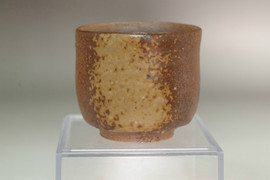
Tsujimura Kai (b.1976) KARATSU ware sake cup #5154
- SKU:
- 5154
- Condition:
- Used
- Shipping:
- Free Shipping


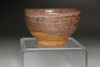


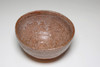
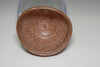


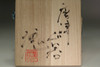
Height: approx. 4.4 cm (1 47⁄64 in)
Width: approx. 7.7 cm (3 1⁄32 in) x 6.8 cm (2 11⁄16 in)
Weight: 74g (w/ box 170g)
Origin: Nara, Japan
Tsujimura Kai is an artist whose works have recently fetched high prices at prestigious global auctions such as Sotheby's and Christie's.
https://www.sothebys.com/en/search?query=tsujimura%20kai&tab=objects
https://www.christies.com/en/search?entry=tsujimura%20kai&page=1&sortby=relevance&tab=sold_lots
Tsujimura Kai
1976 Born in Nara Prefecture
1994 Apprenticed under his father, Tsujimura Shirō
2000 Built his own kiln and became independent in Sakurai City, Nara Prefecture
2003 Held his first solo exhibition at Zakurozaka Gallery Ippodo
2008 Solo exhibition at Ippodo Gallery in New York
2010 His work was added to the collection of the Minneapolis Institute of Art in Minnesota, USA
2010- Biennial solo exhibitions at Ippodo Gallery in Ginza
He has held numerous other solo exhibitions in Tokyo, Osaka, and Kyoto.
Tsujimura Katamari grew up helping his father from a young age, naturally immersing himself in the world of ceramics. His father, the great Tsujimura Shirō, instilled in him a deep sense of discipline, creativity, and an unwavering pursuit of beauty. Good artists must have a discerning eye for both their own and others' works. This sense of subjectivity and objectivity is apparent in his pieces. His works exude a strong will—fresh yet far from immature. The bold forms and sculptural beauty of his firings reflect the breadth of his talent.
In 2000, he left his parental home and opened up a mountain village in Nara with his own hands, building his house and workshop with timber from the mountain. Even now, he cuts wood from the forest to fire his kiln. As he fires small quantities in an anagama (tunnel kiln), each firing produces variations, making the forms and finishes of his works fascinating and unique.