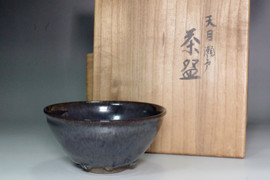
Antique Japanese Yoro Ware Tea Bowl by Ohashi Shuji, Edo Period Pottery #5514
- SKU:
- 5514
- Condition:
- Used
- Shipping:
- Free Shipping


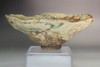
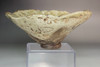
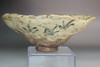
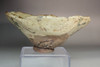
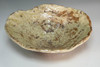
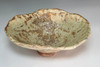
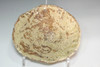

width: approx. 15.7cm (6.18in)
height: approx. 6.3cm (2.48in)
weight: 288g
condition: Good antique condition with minor signs of age-related wear.
Accessories: None (No box)
Shipping: Shipped from Japan with a tracking number. We take great care in professional packaging to ensure the item arrives safely.
This is an authentic Japanese Yoro ware tea bowl (Chawan), handcrafted by the celebrated Edo-period polymath and potter, Ohashi Shuji (1795–1857). Although it shares visual similarities with Shino ware due to its thick, milky glaze and iron-oxide underglaze movements, it is a distinct example of Yoro pottery, produced after Shuji retired to the Mino region.
The bowl features a captivating, organic form with a deliberate "wa" (asymmetry) that creates a soulful presence in the hands. The landscape (keshiki) of the glaze is particularly striking, showing layers of texture and "pinholes" (suana) characteristic of traditional Japanese aesthetics. The bold spatula marks near the foot (kodai) and the artist’s personal seal reflect Shuji's mastery of form, influenced by his studies under the Kyoto master Ogata Shuhei.
For collectors and practitioners of Chanoyu (Tea Ceremony), this piece offers a rich narrative. Shuji was a physician by profession who declined official court positions to remain a humble man of taste, often gifting his creations to friends rather than selling them for profit. This spirit of "wabi" and sincerity is palpable in the bowl's rugged beauty.
Note to Prospective Buyers: While this item does not include a traditional wooden storage box (Tomobako), its provenance as a work by Ohashi Shuji is evidenced by the distinct carving and stylistic hallmarks visible on the base. As an antique piece from the 19th century, it carries a unique patina that adds to its historical value. This bowl is a perfect centerpiece for a tea gathering, inviting conversation about the intersection of medicine, art, and the spirit of the Edo-period literati.
Ohashi Shuji
1795–1857
male
yoro pottery
He was born into the Inagaki family of botanists on the Nushima Island in Kaito District, Owari, but was later adopted by the Ohashi (Seiemon) Clan and mastered medicine.
Shuji was a man of refined tastes and enjoyed tea ceremonies and painting, and he sought apprenticeship with Kyoto’s Ogata Shuhei and created replicas of various ceramic wares such as Seto, Karatsu, Hagi, Korai, and Mishimade. His outstanding talents were noticed by the Lord of the Owari domain, who invited him to court but he showed humility by rejecting the offer because it was not his primary job. Later in life, he retired to Mino (Gifu Prefecture) and continued making pottery, which are called Yoro ware.