Antique SHINO pottery teabowl EDO period #5180
¥22,400
- SKU:
- 5180
- Condition:
- Used
- Shipping:
- Free Shipping

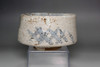


Centuries ago, in the quiet solitude of an Edo-period workshop, a potter sat at the wheel, feeling the warmth of the clay between their hands.
Entrusting the vessel to the whim of the flames, what emerged from the kiln was a Shino tea bowl wrapped in a soft, gentle white glaze. Its exterior was marked with simple, almost modern iron-painted patterns, while inside, a pale yellowish hue gathered, glowing gently as if holding a pocket of sunlight.
At first glance, its form appears irregular and rustic. Yet the moment it is cradled in both hands for a tea ceremony, it settles into the palms with surprising comfort—a silent testament to the artistry of an unknown master whose craftsmanship was designed to complement the user rather than demand attention.
As time flowed and the bowl passed through the hands of generation after generation of tea masters, a delicate web of crazing etched itself into the white glaze. Far from defects, these fine crackles are the memory marks of shared moments with those who cherished the art of tea—the very essence of wabi-sabi, which finds grace in transience and imperfection.
Even the wooden box that has sheltered this vessel over the ages has acquired a deep, rich patina, quietly whispering stories of the long journey this piece has traveled.
Having journeyed across countless seasons from the peaceful days of Edo, it now arrives before you.
Whether held in quiet reflection during morning tea or resting serenely as an element of your living space, this Shino tea bowl brings with its presence a moment of still tranquil calm and the timeless spirit of Japanese aesthetics.
width: approx. 11cm (4 21/64in)
height: approx. 6.7cm (2 37/58in)
weight: 351g
Origin: Japan


