Bunshaku Soshu (1658-1708) Japanese Antique Bamboo CHASHAKU Tea Scoop #5550
- SKU:
- 5550
- Condition:
- Used
- Shipping:
- Free Shipping



Please note that due to quarantine and biosecurity regulations, we cannot ship this item to certain countries, including Australia and New Zealand.
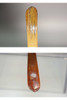
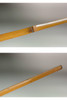
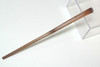
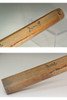
length: approx. 18.5cm (7.28in)
weight: 3g (gross 72g)
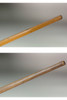
condition: There are noticeable signs of wear and aging from long-term use. Please inspect the photos carefully to confirm its condition.
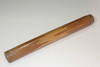
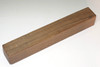
Accessories: Cylinder (Tsutsu), Wooden Box (Kiri-bako)
Shipping: Shipped from Japan with a tracking number. We take great care in professional packaging to ensure the item arrives safely.
This is an authentic Japanese antique bamboo tea scoop (chashaku) named "Karabito," crafted by Bunshuku Soshu (Kyoyu-sai), a prominent tea master associated with the Mushakojisenke school during the Edo period. Bunshuku Soshu studied under the fifth grandmaster of Mushakojisenke, Kyuyusai, and served the Matsudaira clan, the lords of the Takamatsu domain. His historical significance is further highlighted by his interactions with the aristocratic Konoe family.
For tea ceremony practitioners and collectors, this chashaku offers an exceptional aesthetic appreciation of "wabi-sabi." The bamboo has developed a rich, seasoned patina over generations, showcasing a beautiful texture that only comes with age. The accompanying storage cylinder (tsutsu) features the poetic name "Karabito" (meaning "foreigner" or "person from distant lands") written in elegant, rhythmic calligraphic brushstrokes.
This piece is perfect for chanoyu tea gatherings, especially during the ritual inspection (haiken) where guests and the host discuss the historical lineage, the expressive brushwork on the cylinder, and the evocative poetic name. It comes with a protective wooden box, making it a valuable addition to any collection of Japanese tea utensils and Chanoyu art.


