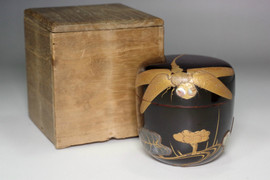
Inai Gyokuho (1876-1930) Antique Gold lacquer MAKIE NATSUME inner silver tea caddy #5576
- SKU:
- 5576
- Shipping:
- Free Shipping





width: approx. 6.8cm (2.7in)
height: approx. 7cm (2.8in)
weight: 52g (w/ box 140g)
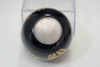
condition: Good. Minor scratches due to age; please check the photos for details.
Accessories: Tomobako (Original wooden box)
Shipping: Shipped from Japan with a tracking number. We take great care in professional packaging to ensure the item arrives safely.
Inai Gyokuho (1876-1930)
He was a Kyoto-based lacquer artist and maki-e master active from the late Meiji through early Showa periods. Studying under Suzuki Gyokusen, he contributed to the modernization of Kyoto’s lacquer arts, participating in progressive artists' groups such as "Rokushen."
A defining hallmark of his work was his dedicated research into white lacquer (shiro-urushi) and the reproduction of ceramic glazes, driven by his ambition to create "lacquerware that resembles ceramics." He perfected his white lacquer technique around 1924, winning second prize at the Lacquerware and Maki-e Competition that same year with his work Gosu-utsushi Kashi-bachi (a sweets bowl mimicking Gosu blue-and-white porcelain).
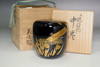
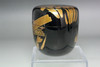
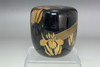
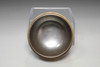
This exquisite Japanese Natsume (tea caddy) is crafted by the renowned lacquer artist Inai Gyokuu. Featuring the classic Yatsuhashi (eight-bridges) motif inspired by traditional Japanese literature, the exterior displays finely detailed gold Maki-e lacquerwork illustrating irises and wooden bridges against a deep black lacquer background. Upon opening the lid, the interior reveals a stunning inner silver coating (Uchi-gin) that adds an extraordinary element of elegance to the tea ceremony practice.
In traditional Japanese Chanoyu (tea ceremony), the inspection of tea utensils (haiken) is a key moment of dialogue between the host and the guests. The delicate rhythm of the brushwork in the Maki-e design and the radiant contrast of the inner silver interior provide rich topics for conversation during formal gatherings. Accompanied by its original signed wooden box (Tomobako), this authentic piece brings both historical artistic value and functional beauty to any collection of Japanese antiques and Chado utensils.