Naruse Munenori (b.1901) CHASHAKU Japanese bamboo tea scoop #5574
- SKU:
- 5574
- Condition:
- Used
- Shipping:
- Calculated at Checkout


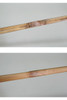


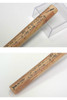
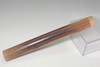
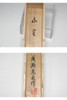

width: approx. 1.0cm (0.39in)
height: approx. 18.5cm (7.28in)
weight: 3g (gross 157g)
condition: Light scratches, stains, and discoloration from age
Accessories: Original bamboo tube, Original wooden box
Shipping: Shipped from Japan with a tracking number. We take great care in professional packaging to ensure the item arrives safely.
This is a highly refined Japanese antique bamboo Chashaku (matcha tea scoop) crafted by Naruse Sonei, a celebrated modern master of master woodcraft and tea scoop making. Named "Yamasato" (Mountain Village), this vintage tea scoop displays exceptional craftsmanship with its elegant silhouette, precise carving rhythm, and beautifully curved tip (Kaisaki).
The most striking feature of this collectible piece is the original bamboo storage tube (Tsutsu). It is adorned with a beautiful handwritten Waka poem in traditional Japanese calligraphy, complete with the creator's stylized signature (Kao). In a formal Chanoyu tea gathering, during the guest appreciation ritual (Haijen), this poetic inscription and the historical patina become a wonderful topic of cultural dialogue between the host and guests.
Protected in its original inscribed wooden box (Kiribako) featuring the artist's seal, this exquisite Chashaku perfectly captures the essence of classic Japanese tea ceremony culture, bridging literature, philosophy, and traditional craftsmanship.
Naruse Muneomi (born 1901, date of death unknown)
He was a highly accomplished modern bamboo artist and Chashaku (tea scoop) master who active from the Showa to the Heisei era. His most remarkable and legendary characteristic was his unique carving technique. Instead of using a traditional small knife (Kogatana) like most tea scoop makers, he manipulated a single chisel (Nomi) entirely with his left hand to sculpt intricate, sophisticated forms from a single piece of bamboo. The profound dignity and refined style born from this masterful technique perfectly harmonize with his deep knowledge of Ikebana (flower arranging) and Shodo (calligraphy). Regarding his artistic background, he served for many years as an uncredited master craftsman responsible for the "Shita-kezuri" rough shaping of base tea scoops for various Zen temple sub-temples (such as those of the Rinzai sect). Grand tea masters and high priests would later add their own formal names (Mei) to these base scoops. Naruse chose never to push his own name into the spotlight, continuing to support Japanese tea ceremony culture from the shadows as a quiet contributor—an attitude that truly embodies the core spiritual aesthetics of Wabi-Sabi. Due to his quiet and low-profile life, his exact date of death remains unknown. However, masterpieces inscribed by his own hand with "Hachijuhachi-o" (at the age of 88) or "Kyujuu-ichi-sai" (at the age of 91) exist in the market, proving that he remained an active master craftsman into his very advanced years. While he never sought fame or public accolades during his lifetime, the exceptional quality and artistic rhythm of his work continue to be deeply loved and highly evaluated by elite tea practitioners and connoisseurs, including the famous Japanese artist and actor Kataoka Tsurutaro, who frequently favors Naruse’s tea scoops for his own gatherings.


