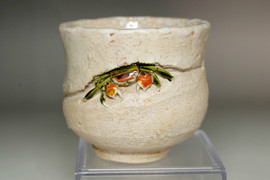
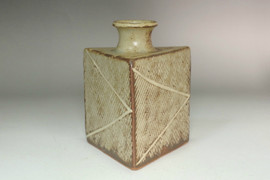
Tamai Rakuzan (1942-1990) Vintage Rakuzan pottery bud vase #4944
- SKU:
- 4944
- Condition:
- Used
- Shipping:
- Free Shipping





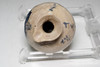
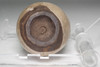

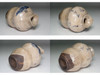
- width: approx. 7.3cm (2 7⁄8in)
- height: approx. 10.7cm (4 7⁄32in)
- weight: 209g
The natural texture of the clay in this bud vase evokes the essence of the earth. The bold blue glaze strokes serve as a striking accent, and their subdued hues bring tranquility and peace. The shape of the vase is simple yet features distinctive uneven curves that suggest the beauty of nature's effortless charm. It is perfect for holding a single flower and equally beautiful as a standalone piece of interior decor.
Tamai Rakuzan 3rd
1942-1990
rakuzan pottery
Tamai Rakusan III was born in Matsuyama City, Ehime Prefecture in 1924 and graduated from the Kyoto School of Arts and Crafts.
After graduation, he studied under Ito Suiko and honed his skills in Kyoto.
He later succeeded to the third generation of Rakusan pottery and took the name Tamai Rakusan. He has exhibited his work at exhibitions such as the Nitten, where it was selected for awards.
At present, the kiln is closed due to a lack of successors.
Rakuzan pottery
This type of earthenware from Matsue, Shimane originated when the Hagi ware potter Kurasaki Gonbee started a kiln in 1677 at the request of Matsudaira Tsunataka, the 2nd generation feudal lord of the Matsudaira clan. This kiln lasted until the 4th generation, after which it was abolished. Later, the 7th generation feudal lord Matsudaira Fumai ordered Nagaoka Sumiemon Sadamasa to start it again. It is also called Izumo ware from the name of the region around the Meiji era.
In general, Izumo ware refers to the aforementioned other name of Rakuzan ware, but it can also be used to refer to earthenware from Shimane in general, covering the aforementioned Rakuzan ware, Fujina ware, and other types of earthenware from the area.